Building Sustainable Green Ecosystems in UAE Desert Landscapes

Table of Contents
The UAE is turning desert sand into functional green spaces. Not the decorative kind you see in hotel lobbies. Real ecosystems that actually work in 50-degree heat.
Dubai’s 2040 Urban Master Plan says green spaces need to double. Abu Dhabi’s Environmental Vision 2030 puts plants into every new project. This isn’t about looking pretty anymore. It’s about survival as temperatures keep climbing and cities become heat traps.
Developers now see green infrastructure as a moneymaker. Properties with trees and gardens sell for more. Energy bills drop. Investors want proof that buildings help the environment. What used to be a nice extra feature became a requirement.

Desert Green Infrastructure Benefits
Buildings with plants around them sell for 15 to 25 percent more than regular ones. Cooling costs go down by 30 percent when you have shade from trees and vegetation blocking the sun.
Persian Gulf cities get hotter every year. Concrete and asphalt make it worse. Without green spaces, you need air conditioning running constantly just to survive. Plants cool things down naturally while cleaning the air and soaking up rainwater when it actually rains.
The sustainable city model is now standard for expensive developments. Money flows to projects that show real environmental results. Green buildings fill up faster and keep tenants longer than traditional ones.
People feel better around plants. Stress goes down. Air quality improves because vegetation absorbs pollution. These benefits show up in productivity numbers and healthcare costs. Residents in green areas report better mental health and fewer respiratory problems.

Water Management for Arid Climates
You can’t grow anything in the desert without solving the water problem first. Projects that work use treated greywater, recycled wastewater, and smart irrigation that puts water exactly where roots need it.
Smart buildings have sensors in the soil checking moisture levels constantly. The system looks at weather forecasts and adjusts watering automatically. Some projects cut water use by 60 percent while keeping plants healthier than before.
Key water management strategies:
- Drip irrigation controlled by computers
- Treated wastewater for watering plants
- Hydrogels that hold water in soil
- Native plants that need less water
- Sensors tracking everything in real time
Treatment plants clean wastewater until it’s safe for irrigation. Some even pull nutrients out to use as fertilizer. Nothing gets wasted. This makes big green projects possible in places where water is scarce.
Computer programs predict what plants will need days ahead. They adjust before problems start. That matters when summer heat can kill vegetation in hours if something goes wrong.

Plant Selection and Soil Engineering
Pick the wrong plants and everything dies. Simple as that. Native species like ghaf trees and mangroves evolved to handle extreme heat, salty soil, and almost no water. But scientists also breed new varieties specifically for desert conditions.
Aakash Green developed bamboo that grows in UAE heat with minimal water. Bamboo shoots up fast, pulls carbon out of the air better than most trees, and creates thick shade. One hectare absorbs more carbon each year than a typical forest.
Desert sand is basically useless for growing things. No nutrients, no structure, nothing. Successful projects mix in compost, biochar, and special fungi that help roots find water. That turns dead sand into actual soil.
Grouping plants together creates small zones that stay cooler and more humid. The plants change conditions around them. Species that normally couldn’t survive suddenly can because the microclimate is different.
Dubai Green Spine Project
The Dubai Green Spine shows what’s possible when you redesign existing infrastructure. This 64-kilometer strip along the E311 highway will have one million trees, urban farms, walking paths, and solar panels all working together.
Solar power runs the irrigation and lights. Plants cool the highway and nearby buildings. Smart traffic systems cut down on congestion. Instead of building something that does one thing, this does multiple jobs at once.
Property prices near green corridors jump 15 to 20 percent. Buildings next to them spend less on cooling. Cleaner air means fewer people getting sick. The benefits add up fast.
Other emirates are copying the idea. Abu Dhabi connects parks with green corridors. Sharjah adds vegetation buffers along highways to block noise and pollution.

Mangrove Restoration Success
Mangroves might be the UAE’s biggest green success story. These trees grow in salt water and create dense forests along the coast with benefits that go way beyond just storing carbon.
Mangroves lock up carbon three to five times faster than regular forests. They protect shorelines from erosion and storms. They filter out pollution and give fish a place to breed. Commercial fishing depends on healthy mangrove nurseries.
Abu Dhabi planted millions of mangrove seedlings over the last decade. Dubai expands them in Ras Al Khor Wildlife Sanctuary. Mature mangrove forests hold over 1,000 tonnes of carbon per hectare in the trees and mud.
Getting it right means testing the site first. Salinity levels, tides, and soil type all matter. Plant them in the wrong spot and they die. Do it right, and they thrive for decades.
Vertical Gardens and Green Facades
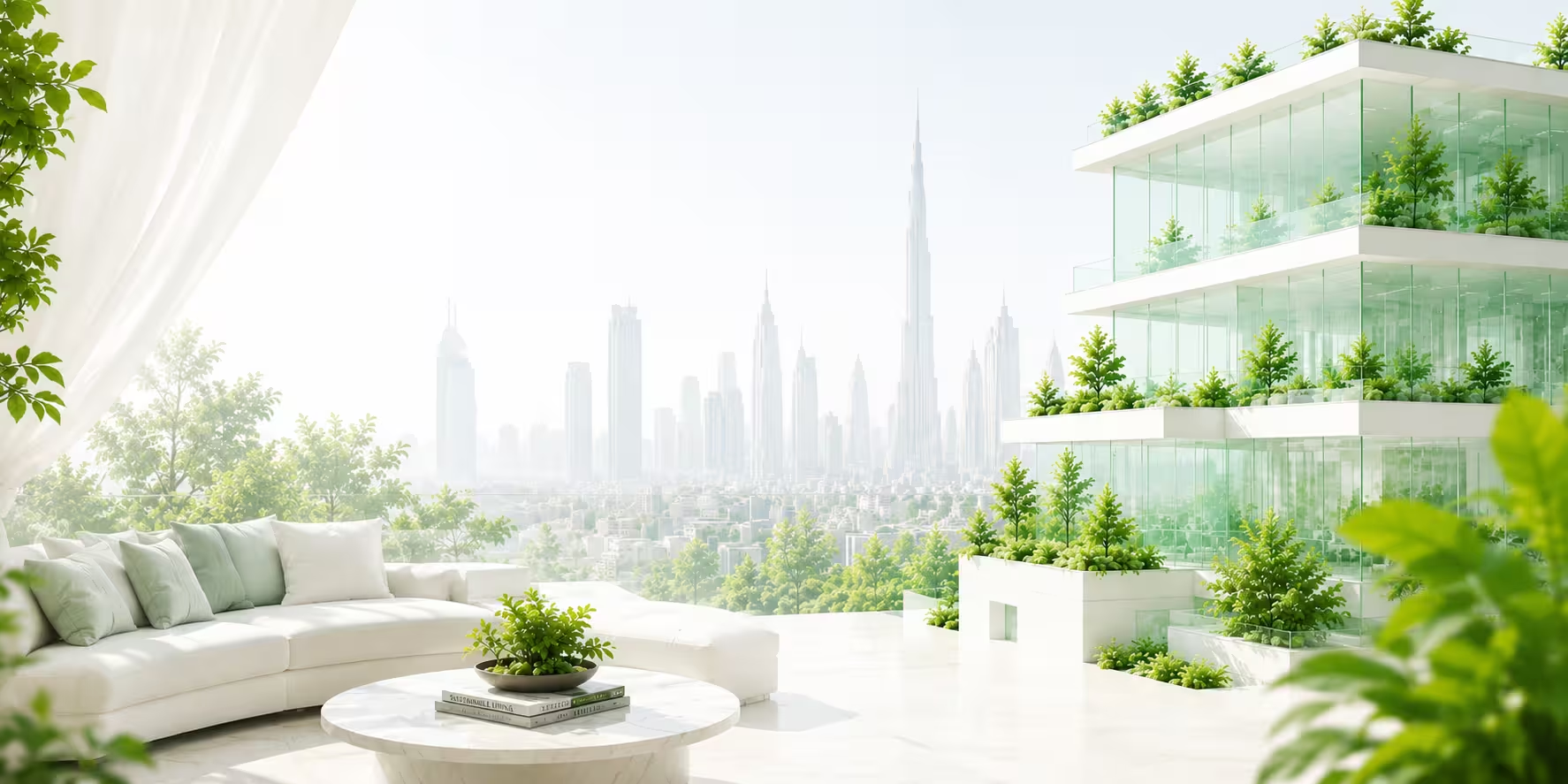
New buildings in Dubai have plants growing on the walls. Vertical gardens cover facades and act like insulation, cutting heat gain and cooling costs by 25 to 35 percent during summer.
|
Feature |
Energy Savings |
Payback Period |
Value Increase |
|
Green roofs |
20 to 30% |
5 to 7 years |
15 to 20% |
|
Facade greening |
25 to 35% |
6 to 8 years |
18 to 25% |
|
Interior plants |
10 to 15% |
3 to 5 years |
10 to 15% |
|
Integrated systems |
30 to 40% |
7 to 10 years |
20 to 30% |
Wasl Tower has rooftop gardens and green walls throughout. The energy savings pay for the installation in five to seven years. After that, it’s pure profit from lower electricity bills.
Smart systems make maintenance easier. Sensors watch soil moisture and plant health. Automated watering only runs when needed.

Technology Driving Desert Greening
Computers and artificial intelligence figure out the best watering schedules based on weather forecasts and soil data. Advanced systems use 55 percent less water while keeping plants healthier than old-school timers.
Drones with special cameras fly over large areas checking plant health. They spot problems before you can see them with your eyes. In harsh climates, catching stress early makes the difference between plants surviving or dying.
Sensors buried in soil send constant updates on moisture, temperature, salt levels, and nutrients. Software analyzes the data and tells managers exactly what to do. It’s precision farming applied to city landscaping.
The UAE put over 50 billion dollars into urban projects with climate-resistant landscaping. That money funds innovation and tests technologies that other desert regions can copy.
Net Zero 2050 Integration
Green ecosystems are infrastructure for hitting the UAE’s Net Zero 2050 target. Plants pull carbon from the air and lock it away in wood and soil for years or centuries.
The UAE introduced green building laws because they make good business sense. With the Net Zero 2050 goals in place, developers who stick to the guidelines get tax incentives and faster approvals. Even banks have started offering lower mortgage rates for certified green properties.
Foreign buyers have confidence in UAE real estate partly because these standards protect what their property is worth. Green buildings are cheaper to run, easier to fill with tenants, and sell for more. The market clearly pays more for anything that hits net-zero benchmarks.
Investors look at how developments work with nature-based solutions. They want the numbers on carbon storage, how efficient the energy use is, and what the ecosystem gets out of it. Projects with good results get funded more easily and at better rates.
A lot of green building off-plan projects in the UAE now come with detailed reports on environmental impact that break down exactly how much carbon gets stored and the energy saved over the years.

Conclusion
Engineering green ecosystems in the desert works when you combine natural processes with technology that overcomes extreme conditions. The UAE proved that proper water management, the right plants, and smart systems create thriving vegetation in brutal environments.
These aren’t decorations. They’re infrastructure that cools cities, cleans air, stores carbon, and makes life better. Green infrastructure cuts costs, raises property values, attracts investment, and meets regulations while supporting sustainability targets.
The technology exists. The business case is solid. Desert greening went from experimental to essential.
Tags:
Off-Plan Market Insights
Get property and sustainability info from Kotook. Chat with us on WhatsApp for quick guidance.
Get info on WhatsAppFrequently asked questions
Through smart species selection, efficient irrigation, soil amendments, and microclimate design that reduces stress.
Treated greywater, recycled wastewater, and smart irrigation systems that minimize consumption and evaporation losses.
Well-designed systems typically cut cooling energy consumption by 25 to 35 percent through shading and evapotranspiration.


